
What is pressure testing and when do you need it?
Pressure testing is a method of checking a plumbing system for leaks by sealing a section of pipe, filling it with water or air, and watching whether the pressure holds. You need it when a leak is suspected but not visible, when a repair or installation has to be proven sound, or when a code or permit requires documented proof that the piping is tight.
The test answers one question: does this section of pipe lose pressure over time? If it does, there is a leak or a weak joint somewhere in the tested span. If it holds, the piping is sound under the test conditions. The rest of this article explains how the test works, what changes the result, and what you can reasonably do yourself.
What pressure testing actually measures in a plumbing system
Pressure testing measures whether a closed section of pipe can hold pressure without losing any. A plumber isolates a length of pipe, caps or plugs the open ends, introduces water or air under pressure, and then watches a gauge. If the gauge reading drops, the section is losing fluid somewhere. If it holds steady, the pipe and its joints are tight under those conditions.
The test does not measure water quality, flow rate, or whether the pipe is the right size. It measures one thing: the ability of the pipe wall and its connections to contain pressure. A line can pass a pressure test and still deliver low flow because of scale or a partly closed valve. Those are separate problems with separate diagnostics.
Pressure testing works because water and air behave predictably under pressure. In a sealed system, any loss of fluid shows up as a drop on the gauge. A slow leak that would take weeks to show as a stain on a ceiling will show as a gauge drop in minutes or hours, depending on the test pressure and the size of the leak.
In Sun City, Arizona, the housing stock is largely single-story and slab-on-grade, which means much of the water supply and drainage piping runs under the concrete floor. A leak in that piping may not surface for a long time. Pressure testing is one of the few ways to locate a hidden leak before it damages flooring, cabinets, or the slab itself.
How pressure testing differs across water supply, drainage, and sewer lines
Pressure testing works differently on water supply lines than on drainage and sewer lines because those systems are built to hold different things. A water supply system carries water under pressure all the time, so testing it means checking whether it can hold that pressure. A drainage system and a sewer system normally carry water by gravity, not under pressure, so testing them means temporarily blocking the line and filling it to see whether it holds.
Water supply testing uses the pressure already in the system or a test pump to raise it. The plumber isolates a section, pressurizes it, and watches for a drop. Because supply lines are meant to be pressurized, this test closely matches how the pipe actually works.
Drainage and sewer testing is different. The plumber plugs a section, fills it with water, and watches the water level. If the level drops, water is escaping through a crack, a bad joint, or a root opening. This is sometimes called a hydrostatic test. It does not prove the line will drain well, only that it does not leak.
Sewer lines add another factor: they are buried and often older. A sewer line that passes a pressure test can still have root intrusion or a belly that causes clogs. Pressure testing and a camera inspection answer different questions, and a thorough diagnosis often uses both.
The tools and methods used to pressurize a line and read the results
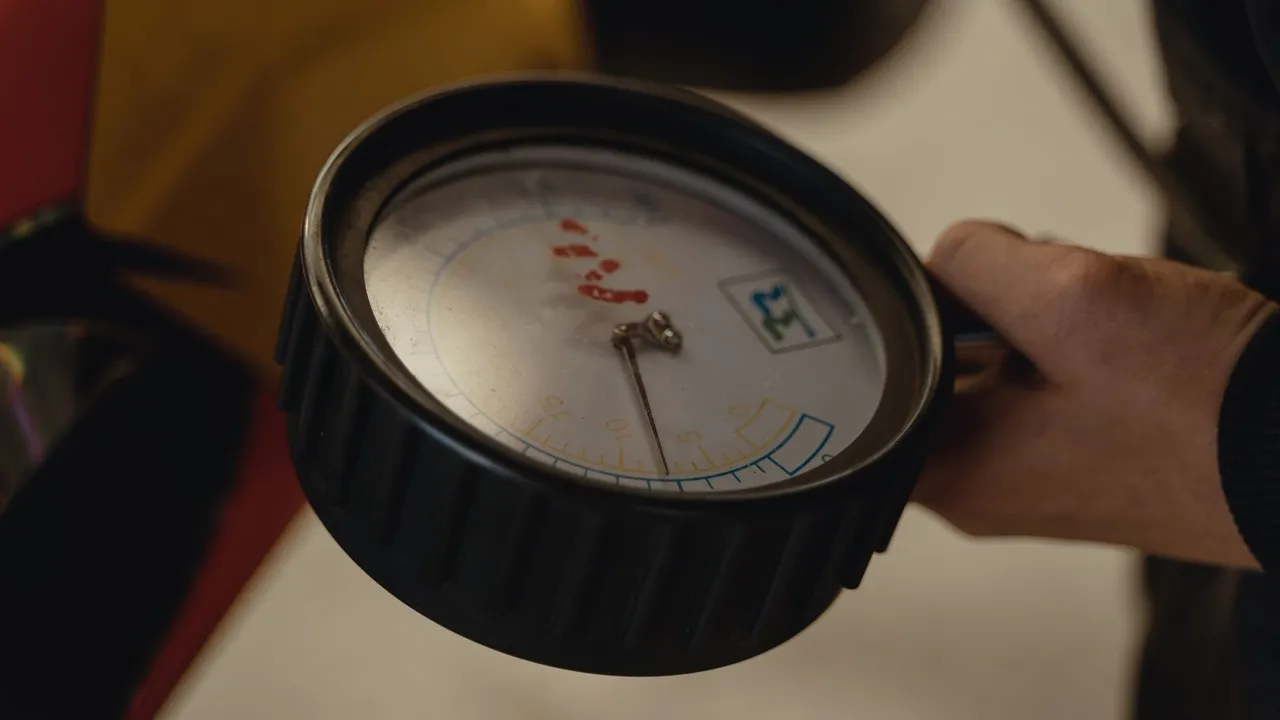
The tools used to pressure test a line are a test pump or an air compressor, plugs or caps to seal the section, and a pressure gauge to read the result. The plumber chooses water or air depending on the system and the situation. Water is used most often on supply lines because it is incompressible and shows leaks quickly. Air is sometimes used where water would be hard to remove or where freezing is a concern, though air testing requires more care because air stores energy.
A typical water supply test follows a sequence. The plumber shuts off the supply, drains the section, connects a test pump and gauge, and raises the pressure to a set level. The pressure is held for a set time, and the gauge is watched. Any drop means a leak. The plumber then isolates smaller sections to narrow down where the loss is.
Drainage and sewer tests use plugs and water rather than a pump. The plumber blocks the low end of the section, fills it with water from the high end, and marks the water level. After a set time, the plumber checks whether the level has dropped. A drop means the section is losing water.
The gauge is the critical instrument. A gauge that is inaccurate or too coarse can hide a small leak. A plumber uses a gauge rated for the test pressure so that a small drop is visible. For very small leaks, the test may run for an extended period to let the loss accumulate.
Why water heaters and their connections get tested separately
Water heaters and their connections get tested separately because a water heater is a pressure vessel with its own fittings, and a leak there can be mistaken for a leak in the house piping. The tank, the temperature and pressure relief valve, the inlet and outlet connections, and the gas or electrical supply are all part of the water heater assembly. Testing the house piping without isolating the water heater can give a false result.
A water heater sits under constant pressure from the supply system. If the tank or a fitting leaks, the gauge on a whole-house test will drop, and the plumber may spend time looking for a leak in the walls when the problem is at the heater. Isolating the water heater during a test separates the two.
The temperature and pressure relief valve is a safety device that opens if the tank pressure or temperature gets too high. A plumber checks that valve separately because it is designed to release water under certain conditions. A relief valve that weeps can look like a piping leak on a pressure test.
In Sun City, hard water is common, and mineral scale builds up inside water heaters and their connections. Scale can narrow the fittings and stress the joints, which makes the water heater area a frequent source of small leaks. Testing the heater connections separately helps confirm whether the leak is at the heater or in the house piping.
How hard water, water softeners, and treatment systems affect test results
Hard water affects pressure testing by leaving mineral scale inside pipes, which can mask a small leak or change how a line holds pressure. Sun City water is typically hard, often in the range of 15 to 25 grains per gallon. That hardness leaves calcium and magnesium deposits on the inside of pipes and fittings. Scale can seal a pinhole leak temporarily, so a line that passes a short test may still have a weak spot.
A water softener removes hardness minerals by exchanging them for sodium or potassium. A softener changes the water chemistry but does not repair pipe. It can reduce new scale from forming, which helps the system over time. During a pressure test, softened water behaves much like any other water, so the softener itself does not change the test result. What changes is the condition of the pipe, which the softener may have protected or not.
Water treatment systems, such as filters or reverse osmosis units, are usually installed at a point of use and do not affect the pressure test of the main piping. If a treatment system is tied into the supply line, the plumber isolates it so it does not interfere with the test. A treatment system that leaks can look like a piping leak if it is not isolated.
The practical point is that hard water and the scale it leaves behind make pressure testing more important, not less. A pinhole leak that scale has temporarily sealed can fail later and cause damage. A pressure test that holds for a short time may need to run longer in a hard water system to be meaningful.
Leaks that pressure testing finds before they show up as damage
Pressure testing finds leaks that are still hidden, before they show up as stains, warped flooring, or a higher water bill. A leak under a slab or inside a wall may take months to surface. By the time it does, the damage can be significant. A pressure test can detect the loss while the pipe is still the only thing affected.
Common hidden leaks include pinhole leaks in copper pipe, failed joints in older piping, and cracks in supply lines under the slab. In Sun City, slab-on-grade construction means a supply line leak under the floor has nowhere to drain except into the soil or up through the slab. Pressure testing can confirm the leak exists and help narrow down which section is losing pressure.
A pressure test does not always pinpoint the exact leak location. It confirms that a section is losing pressure. The plumber then uses other tools, such as a camera inspection or acoustic listening, to find the spot. Pressure testing is the first step that says a leak is real, and the follow-up steps find where it is.
Finding a leak early usually means a smaller repair. A pinhole leak in an accessible pipe can be repaired with a section replacement. A leak that has been running under a slab for months may require more extensive work. Pressure testing is how a homeowner gets ahead of that.
How clogs and blockages change the way a line is tested
Clogs and blockages change pressure testing because a blocked line cannot be filled or drained normally, so the test has to be set up around the blockage. A drain or sewer line with a clog will not accept water the way a clear line will. The plumber may need to clear the blockage first or test only the section above it.
In a drainage system, a clog can cause water to back up during a test and give a false reading. The plumber has to decide whether the test is measuring a leak or just the effect of the blockage. If the line is partly blocked, the water level may drop because it is draining past the clog, not because the pipe is leaking.
A sewer line with root intrusion or a heavy buildup of grease and debris is often tested with a camera first. The camera shows whether the line is clear enough to test. If the line is blocked, the plumber clears it, then tests. Testing a blocked line without clearing it can waste time and give a misleading result.
Pressure testing and clog clearing are related but separate jobs. A line can pass a pressure test and still clog repeatedly because of scale, roots, or a belly in the pipe. That is why a full diagnosis often combines pressure testing with a camera inspection. The related guide on what trenchless methods are available for sewer and water line repair, and when are they appropriate explains how those repairs are done once the problem is located.
Pressure testing during new construction, remodels, and repiping
Pressure testing is required or expected during new construction, remodels, and repiping because those projects create new joints that must be proven before the walls close. A new water supply system has dozens of soldered, crimped, or threaded connections. Each one is a potential leak. Testing the system before the drywall goes up catches a bad joint while it is still accessible.
In new construction, the plumber typically pressure tests the supply lines after rough-in and before the walls are covered. The test may be witnessed by an inspector as part of the permit process. If the test fails, the plumber finds and repairs the joint, then retests. This is far cheaper than opening a finished wall later.
During a remodel, the same principle applies. Any new piping or relocated fixture is tested before it is closed in. A remodel that adds a bathroom or moves a sink creates new connections that need to hold pressure. Testing them protects the homeowner from a leak inside a new wall.
Repiping replaces old piping with new. After a repipe, the new system is pressure tested to confirm every joint is sound. In Sun City, where older homes may have original piping that has reached the end of its life, a repipe is a common project. The pressure test is the step that confirms the new pipe is ready to be put into service.
Testing after a repair to confirm the fix holds
Testing after a repair confirms that the fix actually holds before the repair is considered finished. A plumber who repairs a leak, replaces a section of pipe, or installs a new fixture should pressure test the work. Without the test, the only proof is that water is not visibly running, which is not the same as a sound joint.
A repair test is usually a repeat of the original test on the repaired section. The plumber isolates the repair, pressurizes it, and watches the gauge. If it holds, the repair is good. If it drops, the repair needs to be redone. This is a normal part of the job, not a sign that something went wrong.
Testing after a repair also protects the homeowner. A joint that holds at low pressure may fail at the pressure the system actually runs at. Testing at the correct pressure confirms the repair will hold under real conditions. A plumber who skips this step is leaving the result to chance.
For underground repairs, such as a water line or sewer line repair, testing is even more important because the pipe will be buried. Once the trench is backfilled, finding a bad joint means digging it up again. Testing before backfill is the standard practice.
Reading the results: what a passing test and a failing test look like
A passing test holds pressure with no drop over the test period; a failing test shows a drop, which means the section is losing fluid. The exact test period and pressure depend on the system and the standard being followed. The plumber records the starting pressure or water level, waits, and reads again.
A failing test does not always mean a large leak. A small drop over a long period can indicate a pinhole leak or a slightly loose joint. The plumber narrows the test to smaller sections to find the source. Sometimes the leak is at a test plug or a valve, not in the pipe itself. A careful plumber checks the test setup before condemning the pipe.
A passing test means the section held under the test conditions. It does not guarantee the pipe will never leak. A pipe with thin walls or heavy scale may pass today and fail later. A passing test is a snapshot, not a warranty.
Temperature changes can affect a test. Water expands and contracts with temperature, and a gauge reading can shift slightly as the water warms or cools. A plumber accounts for this by using a stable test setup and, where needed, a longer observation period. A small change that follows a temperature swing is not the same as a steady drop from a leak.
Limits of pressure testing and when other diagnostics are needed
Pressure testing has limits: it confirms whether a section holds pressure, but it does not show where a leak is, how big it is, or whether the pipe is otherwise sound. When the test fails, the plumber needs other tools to find the problem. When the test passes but the homeowner still has symptoms, it may be time to contact us for other diagnostics.
A camera inspection shows the inside of a drain or sewer line. It reveals cracks, root intrusion, scale, and bellies that a pressure test cannot show. A camera is often the next step after a sewer test fails, or when a line clogs repeatedly despite passing a pressure test.
Acoustic listening and thermal imaging can help locate a leak under a slab. These tools detect the sound of escaping water or the temperature difference a leak creates. They are used after a pressure test confirms a leak exists but does not show where.
A flow test or a meter test can check for leaks that a pressure test misses. If the water meter moves with all fixtures off, there is a leak somewhere. That test is simple and can be done before calling a plumber. It does not replace pressure testing, but it tells the homeowner whether a leak is likely.
What a homeowner should understand before and after a test
A homeowner should understand that pressure testing is a diagnostic step, not a repair, and that it answers a narrow question about whether a section of pipe holds pressure. Before the test, the homeowner should know which part of the system is being tested and why. After the test, the homeowner should know whether it passed or failed and what the next step is.
Before a test, the homeowner can do a few simple things. Check the water meter with all fixtures off to see whether it moves. Note any symptoms, such as a higher water bill, a damp spot, or low pressure at one fixture. These details help the plumber decide what to test. The guide on how does a homeowner get started, and what should they have ready when they call covers that preparation.
After a test, the homeowner should ask what was tested, what the result was, and what it means. A failed test should come with a plan to locate and repair the leak. A passing test should come with an explanation of why the symptom is still present, if it is. The homeowner should not be left with a result they do not understand.
Some work should not be done by a homeowner. Gas line testing and repair, sewer line work, and any repair that requires a permit or a licence should be handled by a licensed professional. Gas is dangerous, and sewer and water line work often requires permits and inspections. A homeowner can check the meter and watch for symptoms, but the testing and repair of these systems is a job for a licensed plumber.
For readers in the area, Plumber Sun City serves Sun City, Youngtown, and the surrounding communities, with a Master Plumber on staff. The service this explains is also available in Youngtown, AZ. If a pressure test points to a repair, the next step is to call Plumber Sun City at 6234321414. More general plumbing guides are on the blog.
Common questions about pressure testing and when you need it
What is pressure testing and when do you need it?
Pressure testing is a method of sealing a section of pipe, pressurizing it with water or air, and watching whether the pressure holds. You need it when a leak is suspected but not visible, when a repair or installation must be proven sound, or when a permit or code requires proof that the piping is tight.
How does pressure testing and when do you need it work?
Pressure testing works by isolating a section of pipe, introducing water or air under pressure, and reading a gauge or water level over time. A drop means the section is losing fluid and has a leak or a bad joint. A hold means the section is tight under the test conditions.
What should I know about pressure testing and when do you need it?
You should know that pressure testing is a diagnostic step, not a repair, and that it confirms whether a section holds pressure but does not always show where a leak is. It is most useful before damage appears, after a repair, and during new construction or repiping. Gas and sewer testing should be left to a licensed professional.
When does pressure testing and do you need it matter?
Pressure testing matters when a leak is suspected but not visible, when a repair has to be confirmed, when a system is newly installed or repiped, and when a permit requires it. It also matters in hard water areas, where scale can hide a small leak until it causes damage.