
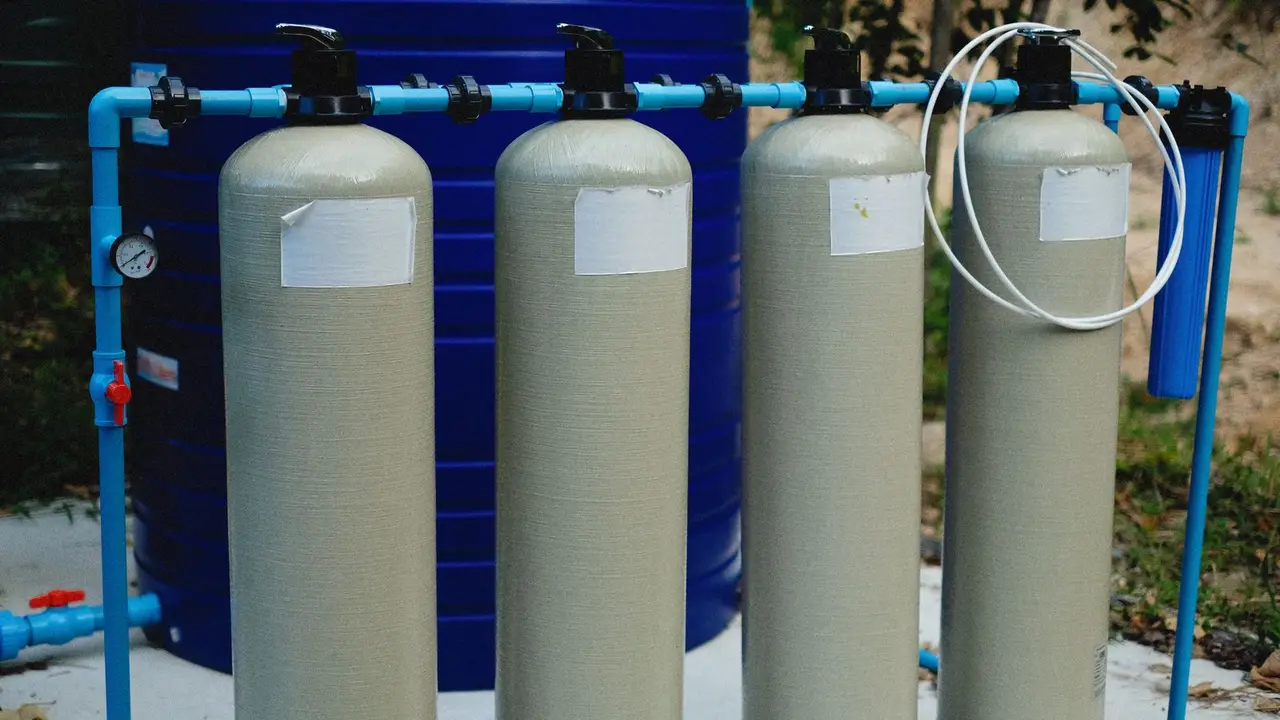
What is water treatment systems and when do you need it?
Water treatment systems are the equipment a home uses to change the water coming in from the supply so it behaves better in the pipes, fixtures, and appliances that use it, and you need one when your water is causing a problem you can see or measure, not simply because treatment exists. The two most common reasons a household looks into treatment are hard water leaving scale on fixtures and appliances, and water that tastes, smells, or tests in a way the household does not want to drink.
Treatment is a plumbing topic because the equipment sits on the water supply system, connects to the water heater and fixtures, and has to be installed and maintained without creating a leak or a restriction. Whether you need it depends on what is actually in your water and what it is doing to your home, which is why the answer starts with testing rather than with buying.
What the term water treatment systems actually covers
Water treatment systems is a broad term for any equipment installed on a home's water supply that changes the water before it reaches the tap. It covers softeners that remove hardness minerals, filters that remove sediment or taste and odor, carbon systems, reverse osmosis units under a sink, and whole-house combinations of these.
The term does not mean one product. A single cartridge filter under a kitchen sink is a water treatment system in the narrow sense, and a whole-house softener plus a carbon filter plus a drinking-water unit is a water treatment system in the broad sense. What they share is that they sit in the plumbing, not beside it.
Water treatment is part of plumbing work. Plumbing includes the water supply system that brings water in, the drainage system and sewer system that take waste out, gas plumbing, and the water quality equipment that treats what you drink and wash with. That is why a plumber, not a general handyman, is usually the trade that installs and services it.
The equipment has to be sized to the home. A system chosen for a different household size, water use, or water chemistry can underperform or restrict flow, so the starting point is always the water itself and how the home uses it.
Why the water coming out of the tap is not the same everywhere
Water quality is set by where the water comes from and what it passes through before it reaches your meter. Two homes on the same street can have different water if one is on a municipal supply and the other on a private well, and even within one supply, the mineral content can vary over time.
In desert regions, water often carries dissolved calcium and magnesium, which is what makes it hard. Hardness is measured in grains per gallon, and water in the range of 15 to 25 or more grains per gallon is common in parts of the desert Southwest. That range is high enough that scale builds up on fixtures and inside water heaters over time.
Water can also carry sediment, chlorine or chloramine from treatment, and in some cases iron or sulfur that shows up as staining or odor. None of these are automatically a health problem, but each one changes what kind of treatment, if any, makes sense.
Because the source and the chemistry vary, the only reliable way to know what is in your water is to test it. A test tells you hardness, and it can tell you what else is present, which is what separates a treatment decision from a guess.
The main types of water treatment systems and what each one does
Each type of treatment targets a specific problem, so the right system is the one matched to what the test shows. The main categories are softening, filtration, and drinking-water treatment, and many homes use more than one.
A water softener removes the calcium and magnesium that cause hardness. It does this by passing the water through a resin bed that swaps those minerals for sodium or potassium, which is why soft water lathers more easily and leaves less scale. A softener needs salt and periodic regeneration to keep working.
A filter removes physical particles or chemicals. Sediment filters catch sand, grit, and rust before they reach fixtures and appliances. Carbon filters reduce chlorine, chloramine, and the taste and odor those leave behind. A whole-house filter protects the plumbing; a point-of-use filter treats only the tap it serves.
A reverse osmosis unit pushes water through a membrane that removes a wide range of dissolved solids, and it is usually installed at a single drinking-water tap or a refrigerator line. It produces better-tasting drinking water but wastes some water in the process, and it needs filter and membrane changes on a schedule. For installation and service, see our pipe and water line services.
Some homes combine these into one treatment train, for example a sediment filter ahead of a softener, with a reverse osmosis unit at the kitchen sink. The order matters, because a softener placed after a sediment filter lasts longer than one fed grit directly.
How a water softener fits into a treatment system
A water softener is the treatment device most homes actually need, because hardness is the problem that shows up as scale on fixtures and inside the water heater. It is not the same as a filter, and it does not remove sediment, chlorine, or bacteria.
A softener sits on the main water line where it enters the home, usually before the water heater, so softened water feeds the whole house. It has a resin tank, a brine tank that holds salt, and a control valve that runs the regeneration cycle, which rinses the collected minerals to the drain.
That drain connection is why a softener is a plumbing job and not just an appliance. The unit needs a proper supply connection, a drain line that discharges correctly, and a bypass so the home still has water during service. A softener installed without a working drain or bypass can cause a leak or leave the home without water when it regenerates, so contact us if you need a professional.
Softened water changes how the rest of the plumbing behaves. It reduces scale on fixtures and inside the water heater, which can extend how well they perform, but it also means soap and detergent go further, so households often use less. A softener does not fix a leak, a clog, or low pressure caused by a failing pipe.
Signs in the home that point to hard water or poor water quality
The signs of hard water are visible on the surfaces the water touches. White, chalky crust on faucets and showerheads, spots on glassware after washing, a film on shower doors, and soap that will not lather are the common ones.
Inside the plumbing, hard water shows up as reduced flow from scale building in aerators and fixtures, and as a water heater that takes longer to heat or makes more noise as sediment collects on the bottom of the tank. Scale insulates the heating surface, so the heater works harder for the same result.
Poor water quality shows up differently. Rust-colored stains in sinks or tubs can point to iron or to corroding pipes. A rotten-egg smell often points to sulfur, and a chlorine taste or smell points to the disinfectant used by the supplier. Cloudy water can be trapped air or fine sediment.
A simple way to check hardness at home is a test strip or a lab test, and a plumber can test on site. What you should not do is assume a smell or a stain means one specific cause, because the same symptom can come from the water, from the pipes, or from the water heater, and each has a different fix.
How water quality affects pipes, fixtures, and the water heater
Water chemistry decides how long the plumbing lasts and how often it needs attention. Hard water leaves scale that narrows pipes and coats fixtures, while aggressive water can corrode metal, and both shorten the life of the parts the water touches.
Scale builds fastest where water is heated or where flow slows. The water heater is the prime example: minerals settle out as the water heats, forming a layer on the tank bottom and the heating element or burner surface. That layer wastes energy and, over time, can lead to a leak at a fitting or a tank failure.
Fixtures feel the same effect. A showerhead or faucet aerator clogs with mineral deposits, so pressure drops even when the supply is fine. Cartridges and valves wear faster when they are working against scale and grit.
Poor water quality can also affect the drainage side indirectly. Softened or filtered water does not cause clogs, but a leak from a poorly installed treatment unit, or a drain line from a softener that discharges incorrectly, can create moisture problems. Keeping treatment equipment and the drainage system separate and correctly connected is part of the installation.
When a household genuinely needs a water treatment system
A household genuinely needs treatment when the water is causing a problem that testing confirms and that treatment can fix. The clearest cases are hardness high enough to scale the water heater and fixtures, sediment that clogs aerators and appliances, and a taste or odor the household wants removed.
Hardness is the most common trigger. If a test shows high grains per gallon and you are already seeing scale, a softener addresses the cause rather than the symptom. If the water is hard but nothing in the home is showing it, treatment is optional rather than necessary.
A second clear case is water that is damaging equipment. If the water heater is scaling quickly, if fixtures clog repeatedly, or if appliances that use water are failing early, treatment can reduce the rate of that damage. The decision is about protecting the plumbing and appliances, not about a single symptom.
A third case is drinking water the household does not want to drink as it is. A point-of-use filter or a reverse osmosis unit at the kitchen tap is often enough here, and it is far less involved than treating the whole house.
When treatment is not necessary and simple habits are enough
Treatment is not necessary when the water is not causing a problem you can see, measure, or taste. If hardness is moderate, fixtures stay clean, the water heater performs well, and the water tastes fine, adding a system solves nothing and adds maintenance.
Simple habits cover a lot of ground. Flushing the water heater on a schedule removes sediment before it hardens, cleaning aerators and showerheads restores flow, and running cold water for drinking avoids pulling warm water from the lines. These cost little and address the same symptoms treatment would target.
If you are unsure, test before you buy. A test is cheap compared with a system, and it tells you whether the problem is hardness, sediment, or something else. Buying treatment without a test is how households end up with equipment that does not fix what they noticed.
Water treatment is also not a substitute for repair. A softener will not stop a leak, clear a clog, or restore pressure lost to a failing pipe. Those are plumbing repairs, and the treatment decision should wait until the plumbing itself is sound.
How treatment systems connect to the rest of the water supply and drainage system
A treatment system is only as good as the plumbing it is tied into. It connects to the water supply system on the way in, sits upstream of the water heater and fixtures, and needs a drain connection for the water it rejects during regeneration or filtration.
On the supply side, the unit needs a shutoff and a bypass so the home can still get water while the system is serviced. On the drain side, the discharge has to go somewhere code allows, and it has to be air-gapped or otherwise protected so wastewater cannot back up into the treated supply.
That is where treatment meets the drainage and sewer systems. A softener or filter that discharges into a drain, or a reverse osmosis unit with a waste line, has to be connected so it does not clog, leak, or create a cross-connection. Backflow prevention matters here, because the last thing a home wants is a path from waste back into drinking water.
Because these connections touch both the supply and the drainage side, treatment work is plumbing work. A leak at a treatment fitting behaves like any other leak, and a clogged discharge line behaves like any other clog, so the same care applies. If a treatment unit is added during a larger repair, it is worth having the whole supply and drainage path looked at rather than just the new device.
Common misunderstandings about water treatment and what the evidence shows
The most common misunderstanding is that a softener and a filter are the same thing. They are not: a softener removes hardness minerals, while a filter removes particles or chemicals, and one does not do the other's job.
A second is that treatment is always necessary. It is not. Treatment is necessary when the water is causing a confirmed problem, and many homes with moderate hardness do fine with maintenance habits alone. The evidence is the test and what you see in the home, not a sales claim.
A third is that treated water is automatically safer. Softening does not disinfect, and a carbon filter does not remove everything. If the concern is contamination, the right step is a water test that identifies it, followed by treatment matched to that result.
A fourth is that treatment protects the plumbing from every failure. It reduces scale, which helps fixtures and the water heater, but it does not stop leaks, clogs, root intrusion, or aging pipes from failing. Those are separate problems with separate repairs, and treating the water will not postpone them indefinitely.
How to think through the decision before choosing any system
The decision runs in a fixed order: test the water, match the result to a problem you can see, then choose the smallest system that fixes it. Skipping the test is what leads to buying the wrong equipment.
1. Test the water for hardness and for anything you have noticed, such as odor, staining, or sediment. 2. Write down what the water is doing in the home, such as scale on fixtures, a noisy water heater, or clogged aerators. 3. Match the test result to the symptom and decide whether the fix is softening, filtration, drinking-water treatment, or none. 4. Fix any active leak, clog, or pressure problem first, because treatment will not solve those. 5. Choose the smallest system that addresses the confirmed problem, and make sure it has a bypass and a proper drain connection. 6. Plan the maintenance, because filters, membranes, and salt all need attention on a schedule.
What you can safely do yourself is test the water, clean aerators and showerheads, flush the water heater if you are comfortable with the procedure, and keep an eye on the equipment for leaks. What you should not do is install or modify supply and drain connections, work on gas lines, or open the water heater, because those need a licensed plumber and, where required, a permit.
Before you commit, ask what the system will and will not do. A softener will reduce scale; it will not remove sediment or make water safe to drink. A filter will catch particles; it will not soften. Knowing the boundary keeps the decision honest. If you want the broader context on how these jobs are handled, the blog has related guides, and the treatment service itself is described at water treatment.
Related questions
What is water treatment systems and when do you need it?
Water treatment systems are equipment that changes the water coming into a home, and you need one when the water is causing a confirmed problem such as scale, sediment, or a taste or odor you want removed. If testing shows no problem and nothing in the home is affected, you do not need treatment.
how does water treatment systems and when do you need it work?
It works by putting a device on the water supply that removes or changes something in the water before it reaches the fixtures. A softener swaps hardness minerals for sodium or potassium, a filter traps particles or chemicals, and a reverse osmosis unit pushes water through a membrane. Which one you need depends on the test result and the symptom.
what should I know about water treatment systems and when do you need it?
The main thing to know is that softening and filtering are different jobs and neither one replaces a repair. Test the water first, match the result to a problem you can see, fix any leak or clog before adding treatment, and choose the smallest system that solves the confirmed issue. Treatment also needs maintenance, so plan for salt, filter, and membrane changes.
when does water treatment systems and do you need it matter?
It matters when the water is damaging equipment or the household will not drink it as it is. High hardness that scales the water heater and fixtures, sediment that clogs aerators, or a persistent taste or odor are the cases where treatment earns its place. Where none of those apply, maintenance habits are usually enough.