
What should a homeowner do while waiting for the plumber to arrive?
While waiting for the plumber to arrive, stop the water at the fixture or the main shutoff, contain the mess, and write down what you saw and when it started. Those three actions protect the home and give the plumber the information needed to diagnose the problem faster. If you are unsure what to do, get in touch with us.
The rest of this guide explains what each step involves, how the water supply system, drainage system, and sewer system behave under stress, and when the situation becomes urgent enough that waiting is no longer safe.
What the waiting period actually is and why it matters more than most homeowners expect
The waiting period is the time between your call and the plumber's arrival, and what you do in it often determines how much damage the home takes. A plumbing problem rarely stops on its own. Water keeps moving, pressure keeps building, and materials keep absorbing moisture until someone interrupts the process.
What you do during the wait falls into three jobs: stop the source, limit the spread, and record what you observed. Stopping the source means closing a fixture valve or the main shutoff. Limiting the spread means moving belongings, blocking water from reaching floors or walls, and ventilating. Recording means noting when the problem started, which fixtures are affected, and what you already tried.
The wait matters because most plumbing damage is cumulative. A slow leak under a sink can rot a cabinet floor over days, but an active supply line failure can soak drywall and flooring in under an hour. The same ten minutes of action has very different value depending on which problem you have.
Understanding what should a homeowner do while waiting for the plumber to arrive starts with recognizing that the plumber cannot undo damage that happens before they get there. Your job is to slow the clock, not to fix the pipe.
The first ten minutes: stopping water, containing the mess, and protecting what can still be saved
In the first ten minutes, shut off the water feeding the problem, then deal with what is already wet. Work in that order because stopping the flow is the only step that prevents new damage.
1. Find the fixture shutoff. Under most sinks and toilets there is a small oval or lever valve on the wall or floor. Turn it clockwise until it stops. If the valve will not turn or the water keeps flowing, go to the main.
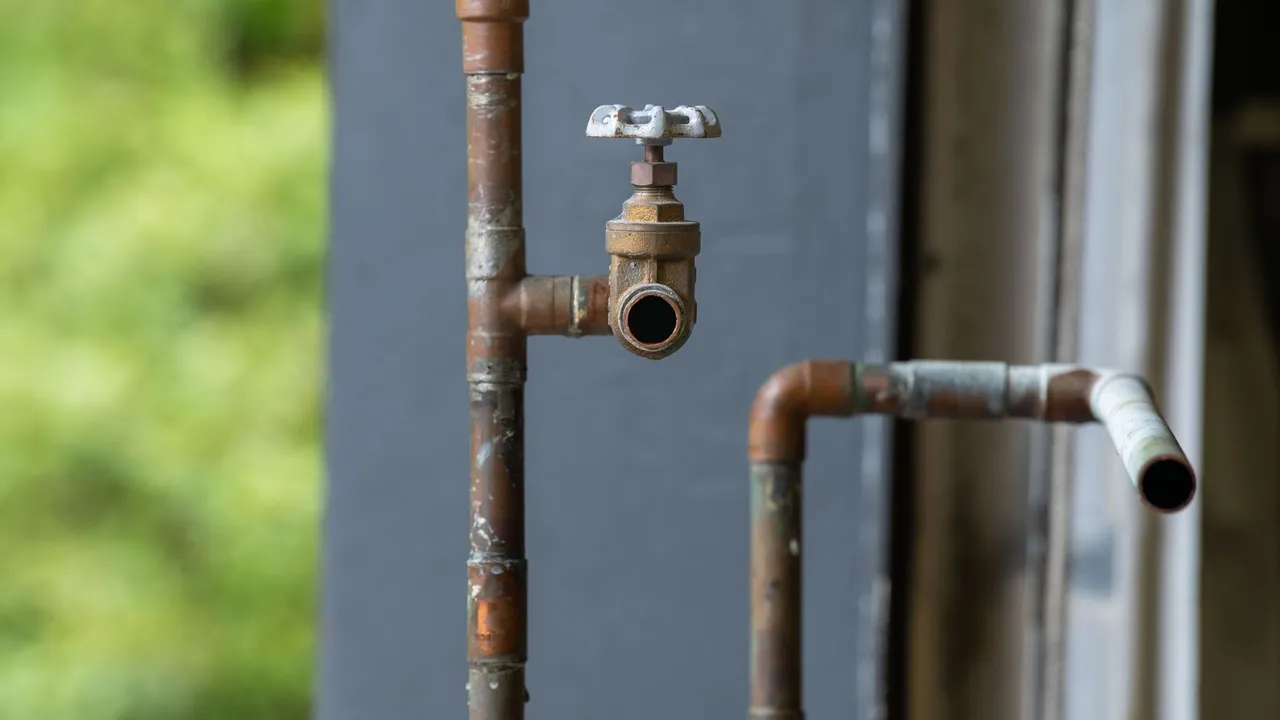
2. Close the main shutoff if the fixture valve does not stop the flow. The main is usually where the water line enters the home, often near the front of the house, in a utility area, or in an outdoor box. Turn it clockwise until it stops. If it is a gate valve that has not been turned in years, it may feel stuck; do not force it hard enough to break the handle.
3. Open a low faucet to drain pressure. After the main is closed, open a cold faucet on the lowest level to release water still sitting in the pipes. This reduces dripping from the failed point.
4. Contain the water. Towels, buckets, and a wet-dry vacuum help, but the priority is keeping water out of wall cavities and off finished floors. If water is coming through a ceiling, place a bucket under the drip and poke a small drain hole in the bulge only if the ceiling is already sagging and you can do it safely from below.
5. Move what can be moved. Electronics, rugs, cardboard, and furniture legs absorb or block water. Lifting items onto blocks or moving them out of the room protects them and gives the plumber clear access.
6. Ventilate and document. Open windows if the weather allows, and take photos of the affected area before you clean anything. Photos help with insurance and help the plumber see the original condition.
How the water supply system works so you know exactly what you shut off and what stays pressurized
The water supply system is the network of pipes that carries pressurized water from the main line into and through the home. It is always under pressure, which is why a supply-side leak sprays or runs continuously rather than draining slowly.
Water enters through the main shutoff, passes through a meter, and branches to the water heater, fixtures, and outdoor hose bibs. Each branch has its own shutoff at the fixture in most homes. Closing the main stops everything. Closing a fixture valve stops only that branch.
What stays pressurized after you close the main is the water already trapped in the pipes above the shutoff. That is why a faucet may still drip for a minute or two after you close the main, and why opening a low faucet helps. The water heater tank also holds hot water under pressure until it cools or is drained.
Knowing which valve controls what saves time. In most homes, the main shutoff controls the whole house, the fixture valves control individual sinks and toilets, and the water heater has its own valve on the cold inlet. If you are not sure which valve is which, close the main and open a faucet to confirm the water stops.
Reading your own drainage system: why some fixtures back up while others run clear
The drainage system is the network of drain pipes and vents that carries wastewater away from fixtures by gravity. When one fixture backs up but others run clear, the blockage is usually in that fixture's branch line or trap, not in the main drain.
A toilet that backs up when you flush but a sink that drains fine points to a blockage in the toilet's trap or the branch serving it. A sink that drains slowly while the toilet runs clear points to a clog in the sink's trap or the horizontal run behind it. When multiple fixtures on the same floor back up at once, the blockage is more likely in the main drain or the sewer line.
Vents matter too. Every drain needs an air path so water can flow. If a vent is blocked, a fixture may gurgle, drain slowly, or pull water out of another fixture's trap. Vent problems are less common than clogs but explain odd behavior that does not match a simple blockage.
What changes the answer is how many fixtures are affected and whether the problem is on one side of the house or both. That pattern tells the plumber where to start looking and whether the issue is local or shared.
When the trouble is in the sewer system rather than your pipes, and what changes about the wait
The sewer system is the underground pipe that carries waste from the home to the public sewer or septic system. When the problem is in the sewer line, the wait changes because the issue is outside the home and often affects every drain at once.
Signs that the sewer line is involved include multiple drains backing up at the same time, sewage odor in the yard or basement, gurgling from several fixtures, and water pooling around an outdoor cleanout. A cleanout is a capped access point in the sewer line, usually near the foundation or the property line.
If sewage is backing up into the home, stop using water entirely. Every flush or running faucet adds volume to a line that cannot drain. Do not run a washing machine, dishwasher, or shower. Keep people and pets away from the affected area because sewage carries bacteria.
Sewer work is not a homeowner task. Opening a cleanout, rodding a line, or inspecting a sewer requires tools and knowledge, and in many places it requires a licensed plumber. If you see sewage backing up, the safe action is to stop water use, contain the area, and wait for the plumber.
What a leak is telling you before the plumber arrives, from a drip to a wet ceiling stain
A leak is water escaping from a pipe, fixture, or connection where it should stay contained, and where it appears tells you a lot about what failed. A drip under a sink usually means a loose supply connection, a worn valve, or a failing drain trap. Water on the floor near a toilet often means a failed wax ring or a cracked tank.
A wet ceiling stain or a bulge in drywall points to a leak above that spot, often from a supply line, a drain, or a fixture in the room overhead. Water travels along joists and pipes, so the stain may not sit directly under the source. Do not ignore a stain that grows or feels soft; it means water is still moving.
A slab leak is a leak in a pipe running under the concrete floor, common in single-story slab-on-grade homes. Signs include warm spots on the floor, the sound of running water when nothing is on, and unexplained increases in water use. Slab leaks are not a do-it-yourself repair because locating and fixing them requires opening or tunneling under the slab.
What you can do while waiting is limit the water. Close the fixture valve or the main, move belongings away from the wet area, and note whether the leak is steady or intermittent. A steady leak under pressure is more urgent than a drip that only appears when a fixture runs.
Clogs versus slow drains: what the difference reveals about where the blockage sits
A clog is a full blockage that stops drainage, while a slow drain is a partial blockage that still lets some water through. The difference matters because it tells you how much room the water has and how quickly the problem may worsen.
A slow drain often means buildup on the pipe walls, such as grease, soap scum, or mineral scale. It can stay slow for a long time before it closes completely. A full clog usually means something has lodged in the pipe, such as hair, paper, or a foreign object, and it stops flow suddenly.
Where the clog sits changes what you can do. A clog in a sink trap or a toilet trap is close to the fixture and may respond to a plunger or a drain snake. A clog deeper in the branch line or the main drain needs longer tools and often a camera to see what is happening.
Do not pour chemical drain cleaner into a fully blocked drain. If the drain is not moving, the chemical sits in the pipe and can damage older pipes or splash back when the blockage finally releases. Mechanical removal is safer and more predictable.
Water heaters: what to check, what to leave alone, and why the tank stays hot for hours
A water heater is the appliance that stores and heats water for the home, and when it fails, the tank stays hot for hours because of its insulation and the volume of water inside. That stored heat is why a leaking water heater can still scald and why the tank remains a hazard after the power or gas is off.
What you can check safely is limited. Look for water pooling around the base, rust streaks on the tank, a pilot light that will not stay lit on a gas unit, or a breaker that trips on an electric unit. If the tank itself is leaking, the heater needs replacement rather than repair, and the water must be shut off at the cold inlet valve on top of the tank.
What you should leave alone is the gas line, the burner assembly, the pressure relief valve, and the electrical connections. Gas and electrical work on a water heater requires a licensed professional. Do not open the access panels on a gas unit or attempt to relight a pilot if you smell gas.
While waiting, close the cold inlet valve to stop new water from entering a leaking tank, and turn off the power at the breaker or the gas at the appliance valve if you can do so safely. Then keep people away from the tank, because the water inside is still hot.
Hard water, water softeners, and water treatment: the slow problems that show up as sudden symptoms
Hard water is water with a high mineral content, mainly calcium and magnesium, and it leaves scale inside pipes and appliances over time. In desert regions, hardness is often measured in grains per gallon, and higher numbers mean more scale builds up faster.
A water softener is a device that removes hardness minerals through ion exchange, and water treatment is the broader category that includes softeners, filters, and other systems that change water quality. When a softener stops working, the first sign is often soap that will not lather, spots on dishes, or a sudden return of scale on fixtures.
Scale narrows pipes and coats heating elements, which reduces flow and makes water heaters work harder. A problem that looks sudden, such as low pressure at one faucet or a water heater that runs out of hot water faster, may actually be the result of scale that has been building for months or years.
What you can do while waiting is check the softener's salt level and confirm the unit has power and is not in a bypass mode. Do not open the softener's resin tank or attempt to clean the valve assembly. Those are service tasks.
What to gather and write down so the visit starts with information instead of questions
Gather the facts that describe the problem before the plumber arrives, because clear information shortens diagnosis time. Write them down rather than trying to remember them.
Note when the problem started and whether it began suddenly or gradually. Sudden onset points to a failure such as a burst pipe or a broken valve. Gradual onset points to buildup, wear, or a slow leak.
List which fixtures are affected and which are still working. Note whether the problem happens all the time or only when a specific fixture runs. Note any sounds, such as gurgling, hammering, or running water when nothing is on.
Record what you already did, including which valves you closed and whether they stopped the flow. Note any water you see, its color, and its smell. Sewage odor, gas odor, or discolored water changes the urgency.
Have your address, the location of the main shutoff, and any prior repair records ready. If you have a home warranty or insurance policy that may cover the work, have the policy number available.
What not to do while you wait, and why some helpful instincts make things worse
Some common instincts during a plumbing problem cause more damage than the original issue, so it helps to know what to avoid. The most common mistake is continuing to use water after a drain or sewer problem appears.
Do not pour chemical drain cleaner into a blocked drain. It can damage older pipes, and it creates a hazard for the plumber who has to work on the line. Do not use a plunger on a drain you suspect is connected to a sewer backup, because it can push sewage into other fixtures.
Do not force a stuck shutoff valve. If a gate valve has not been turned in years, forcing it can break the stem and create a worse leak. Do not open walls or ceilings to find a leak unless water is actively pouring through and you can do it safely. Cutting into a ceiling can release a large amount of trapped water at once.
Do not ignore a gas smell. If you smell gas, leave the home, do not use switches or phones inside, and call the gas utility or emergency services from outside. Gas plumbing is not a homeowner repair, so call our emergency plumbing team.
Do not run the water heater, washing machine, or dishwasher while a drain problem is active. Each adds water to a system that cannot handle it.
How to tell whether the situation has changed enough that the wait itself is no longer safe
The wait is no longer safe when the problem moves from inconvenient to hazardous, and the signs are specific. Water near electrical outlets, a gas odor, sewage backing up into living space, or a ceiling that is bulging and about to collapse all change the situation.
If water is contacting electrical outlets, wiring, or a breaker panel, do not touch the panel. Stay out of the wet area and call for help. Water and electricity together are a shock hazard even if the power seems off.
If sewage is backing up into the home, keep people and pets out of the affected area. Sewage contains bacteria and can cause illness. Do not try to clean it with a household vacuum or a mop that will spread contamination.
If a gas appliance or gas line is involved, leave the home and call the gas utility from outside. Do not attempt to shut off a gas valve you are not familiar with, and do not use anything that could create a spark.
If the water is rising fast and you cannot stop it, the priority shifts from saving the floor to keeping people safe. Move to a dry area, keep children and pets away, and wait for the plumber or emergency services.
Related questions
What should a homeowner do while waiting for the plumber to arrive?
Shut off the water at the fixture valve or the main shutoff, contain the water with towels or buckets, and write down what you saw and when it started. Those three steps limit damage and give the plumber the information needed to diagnose the problem faster.
what is should a homeowner do while waiting for the plumber to arrive?
It is a short set of actions that protect the home between your call and the plumber's arrival: stop the water, limit the spread, and record what happened. The goal is not to fix the pipe but to slow the damage while the plumber is on the way.
how does what should a homeowner do while waiting for the plumber to arrive work?
It works by interrupting the two things that cause damage: flowing water and continued use of a blocked drain. Closing a valve stops new water from entering, and stopping water use keeps a blocked drain or sewer line from overflowing. Recording what you observed helps the plumber start with facts instead of questions.
what should I know about a homeowner do while waiting for the plumber to arrive?
Know where your main shutoff and fixture valves are before you need them, and know which problems are safe to handle yourself. Fixture valves and minor cleanup are homeowner tasks. Gas lines, sewer lines, slab leaks, and water heater burners or electrical connections are jobs for a licensed professional.