
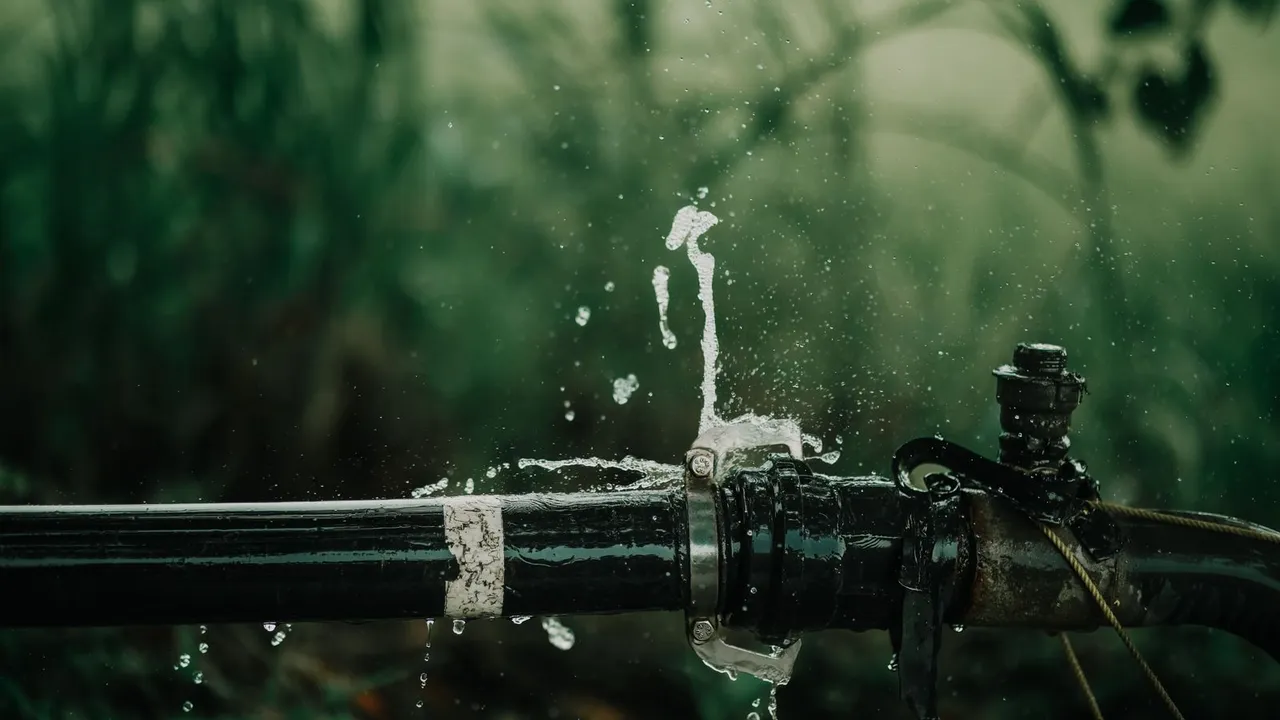
Emergency plumbing triage: how a homeowner distinguishes an active emergency from a problem that can wait until morning
An active plumbing emergency is a failure that is causing ongoing damage, a safety hazard, or a loss of a basic need right now. A problem that can wait until morning is one where the water is already stopped, the fixture is out of use, and nothing is getting worse while you sleep.
The difference comes down to three things: whether water or gas is still moving, whether the failure threatens health or property, and whether you can shut the problem down safely yourself. If you can stop the flow and contain the mess, it usually waits. If you cannot, it does not.
What "emergency" actually means in a plumbing system
In a plumbing system, an emergency is any failure that is actively damaging the home, endangering the people in it, or removing a service you cannot do without overnight. Plumbing covers the water supply system, the drainage system, the sewer system, gas plumbing, and water quality systems, and each one fails in a different way.
A leak that is running onto a floor, into a wall, or under a slab is active damage. A clog that has backed sewage into a tub or floor drain is a health hazard. A gas smell is a safety emergency. A dripping faucet, a slow drain, or a toilet that runs is none of those things.
The word "emergency" gets used loosely in plumbing, and that loose use costs homeowners money. The useful definition is narrower: can this wait eight hours without the damage getting worse? If yes, it is a morning call. If no, it is now.
The three systems that fail, and how each one tells you it is in trouble
A home has three plumbing systems that fail in distinct ways: the water supply system, the drainage and sewer system, and the water heater. Each one gives you different warning signs, so the first triage step is identifying which system is talking to you.
The water supply system carries pressurized water into the home. When it fails, the sign is water where it should not be, often under pressure: a spray, a puddle that keeps growing, a meter that keeps spinning with everything off. Supply failures are the fastest to cause damage because the water does not stop on its own, so get in touch with us when it needs a professional.
The drainage and sewer system carries wastewater out. When it fails, the sign is water going the wrong way: slow drains, gurgling, sewage backing up into the lowest fixture. Drainage failures are usually slower to damage the structure but faster to become a health problem.
The water heater stores and heats water under pressure. When it fails, the sign is either no hot water, water around the base of the tank, or a smell or sound that suggests a burner or gas problem. Water heater failures split cleanly into nuisance and hazard, which is why they get their own section below.
Water supply system failures: the ones that damage a home in minutes
A pressurized water supply leak is the most urgent common plumbing failure because the water keeps coming until someone stops it. A pinhole leak in a copper pipe, a failed supply line to a toilet or washing machine, or a burst pipe can put out many gallons before you notice.
The first move on any suspected supply leak is to shut off the water at the main. In most single-story, slab-on-grade homes, that is a valve near the street or at the point where the supply enters the house. Once the main is closed, the leak stops being active and becomes a repair job.
A water meter is the homeowner's best diagnostic tool here. With every fixture off and no irrigation running, watch the meter. If the dial or the leak indicator keeps moving, water is escaping somewhere in the system. That single check separates an active supply leak from a fixture that is merely dripping.
Slab leaks are a specific supply-side failure worth knowing about. In slab-on-grade construction, a supply line running under the concrete can develop a leak that shows up as a warm spot on the floor, a sound of running water with everything off, or a water bill that climbs for no visible reason. A slab leak does not always gush, but it does not heal, and it can undermine flooring and foundation-adjacent material over time.
Drainage and sewer system failures: when wastewater has nowhere to go
A drainage or sewer failure becomes an emergency when wastewater is coming back into the home, not merely when it is draining slowly. A single slow sink is a morning problem. Sewage rising in a tub, shower, or floor drain is not.
Sewer systems fail for a few common reasons: a clog of grease, wipes, or hair; root intrusion where tree roots find a joint in an older pipe; a collapsed or offset pipe; or a blockage in the main line rather than a branch. Which one it is changes the repair, and often only a camera inspection can tell you which.
The tell for a main-line problem is that multiple fixtures back up at once, and the lowest fixture in the house backs up first. If one sink is slow but everything else drains fine, you are usually looking at a local clog in that branch. If the toilet and the tub and the laundry drain all misbehave together, the main line is the suspect.
Backed-up sewage carries bacteria and is a genuine health concern, especially in a home with anyone who is older, immunocompromised, or very young. That is the line where a drainage problem stops being an inconvenience and becomes something to handle now.
Water heater failures: separating a nuisance from a hazard
A water heater failure is an emergency when it involves gas, a leak from the tank itself, or water near electrical components, and a morning problem when it is simply a loss of hot water with no leak and no smell. The split is that clean.
A tank that is leaking from the shell or the base is failing, not repairable, and the water will not stop. Shut off the cold supply to the heater and, if you can reach it safely, the power or gas, then treat it as a now problem. A leaking tank can flood a closet or a garage floor quickly.
A gas water heater that smells of gas, or whose burner makes a rolling or booming sound, is a safety matter. Gas plumbing is not a homeowner repair. If you smell gas, leave the area, avoid switches and flames, and get the gas shut off and the line checked by a licensed professional.
No hot water with no leak, no smell, and no water on the floor is usually a heating element, a thermostat, a pilot, or an ignition issue. That is uncomfortable but not damaging, and it is a reasonable thing to look at in the morning.
How to read the signs: active water, stopped water, and the difference between them
The single most useful triage question is whether water is still moving. Active water means the failure is ongoing. Stopped water means you have already contained it and the clock has paused.
Active water looks like this: a puddle that grows while you watch, a hiss or spray you can hear, a meter that turns with everything off, water staining a ceiling or running down a wall. Any of these means the problem is live.
Stopped water looks like this: a fixture you have shut off or a supply valve you have closed, a drain that is slow but not backing up, a toilet that will not flush but is not overflowing. Once the water is stopped and the area is contained, you have bought yourself time.
The trap is mistaking a slow symptom for a stopped one. A ceiling stain that is dry to the touch but spreading is still active somewhere above it. A drain that gurgles but has not overflowed yet is telling you the line is nearly blocked. When in doubt, treat it as active and shut the water off.
The triage questions that sort a real emergency from a morning problem
Run these questions in order. The first one that gets a "yes" tells you how to act.
1. Is there a gas smell, or is water near electrical outlets, panels, or appliances? If yes, this is a safety emergency. Leave the area if gas is involved and do not attempt the repair yourself.
2. Is water still flowing or spraying, and can you not stop it? If yes, shut off the main if you can reach it safely, then treat it as now.
3. Is sewage backing into the home? If yes, stop using water in the house and treat it as now, because every flush adds to the problem.
4. Is there standing water near the water heater, or is the tank itself leaking? If yes, shut off the supply to the heater and treat it as now.
5. Is the failure confined to one fixture, with the water off and no spreading damage? If yes, it usually waits until morning.
6. Is it only a loss of hot water, a slow drain, a running toilet, or a dripping faucet? If yes, it waits.
This is the emergency plumbing triage checklist in its shortest form. The point is not to be brave or to be cheap. It is to match your response to the actual risk, so you neither panic over a drip nor sleep through a flood.
Why water quality, hard water, and treatment equipment change the picture
Water chemistry changes how fast plumbing fails and what the failure looks like. Hard water, which is water high in dissolved minerals, leaves scale inside pipes, heaters, and fixtures, and that scale is behind a large share of the slow failures homeowners see.
Hard water is measured in grains per gallon, and desert water supplies often run high. Scale narrows a pipe's inside diameter over years, which shows up first as reduced flow and higher water pressure at the tap, then as a heater that works harder and fails sooner. A water softener removes the minerals that form scale, and water treatment addresses taste, odor, and other quality issues.
The practical effect on triage is timing. In a hard-water home, a slow drain or a weak shower is more likely to be a buildup problem that has been developing for a while than a sudden blockage. That makes it a maintenance issue, not an emergency, but it also means the fix is different from clearing a fresh clog.
Water treatment and softening equipment also adds its own failure points. A softener that is leaking, overflowing, or bypassing is a plumbing problem in its own right, and it can look like a supply leak if the water runs to a floor drain or across a slab.
What you can safely do while you wait, and what you should never do
What you can safely do is stop the water, contain the mess, and protect the area. What you should never do is open gas lines, work on the sewer main, or take apart anything under pressure that you are not sure how to reassemble.
Safe steps while you wait:
1. Shut off the fixture supply valve, usually a small oval handle under the sink or behind the toilet. Turn it clockwise until it stops.
2. If that does not stop the water, shut off the main valve for the house.
3. For a water heater leak, close the cold inlet valve on top of the tank and turn off power or gas if you can reach it safely.
4. Put towels or a bucket under the leak and move anything valuable off the floor.
5. If sewage has backed up, stop using all water in the house, including the washing machine and dishwasher, and keep people and pets away from the affected area.
6. If a ceiling is bulging with water, do not poke it. Put a bucket under it and stay clear, because a ceiling can come down.
What not to do: do not pour chemical drain cleaner into a fully blocked drain, because it can sit in the pipe and injure whoever opens it later. Do not run a plunger or snake into a line you suspect is broken. Do not relight a gas pilot or touch gas fittings. Do not run water to "test" a drain that is already backing up.
The problems that genuinely can wait until morning
A problem can wait until morning when the water is off or contained, the damage is not spreading, and no one is at risk. Most of what homeowners worry about overnight falls into this group.
These commonly wait: a single slow drain, a dripping faucet, a running toilet, a toilet that will not flush but is not overflowing, a garbage disposal that hums but does not turn, a shower with weak pressure, a faucet that needs a new cartridge, and a water heater that has stopped heating with no leak and no gas smell.
These also wait if you have already shut them down: a supply valve that drips, a fixture you have isolated, a washing machine hose you have turned off at the valve. Once the water is stopped, the urgency is gone even though the repair is still needed.
Waiting is a real choice, not neglect, as long as you have actually stopped the problem. The risk is leaving something running overnight because it seemed minor at 10 p.m. If you are unsure whether it is contained, treat it as active.
When a small symptom is actually the early stage of something serious
Some small symptoms are early warnings of a larger failure, and those are worth acting on before they become emergencies. The pattern to watch for is a symptom that repeats, spreads, or shows up in more than one place.
A drain that has slowed gradually over weeks is often a buildup or a partial blockage that will eventually close completely. A water bill that creeps up with no change in use can point to a hidden leak. A warm spot on a slab floor, or the sound of running water when everything is off, can point to a slab leak.
A toilet that rocks, a floor that feels soft near a fixture, or a stain that reappears after you paint over it are signs of a leak that has been running slowly for a while. Slow leaks damage framing, flooring, and cabinets over months, and they are cheaper to fix early.
Recurring clogs in the same drain are another early signal. One clog is a clog. The same drain blocking again and again often means root intrusion, a bellied pipe, or scale narrowing the line, and clearing it each time treats the symptom rather than the cause.
Building your own household triage plan before the next failure happens
A household triage plan is a short list of where your shutoffs are and what you will do first, written down before you need it. The value is that you make decisions calmly now instead of at 2 a.m. with water running.
Start by locating and labeling your main water shutoff, the fixture shutoffs under each sink and behind each toilet, the water heater inlet valve, and the gas shutoff. Show everyone in the house where they are and how they turn. Test the main valve once a year, because a valve that has not moved in a decade may not close when you need it.
Next, note what you have: the age of your water heater, whether you have a softener or water treatment, and whether any drain has clogged more than once. Those details tell a plumber a lot and help you decide faster. Knowing what to have ready when you call saves time on the call itself.
Finally, decide your own line in advance. Pick the point at which you stop troubleshooting and call, and write it down. For most homes that line is: gas smell, sewage backup, water you cannot stop, or water near electrical. Everything else can be sorted in the morning.
If you want to go further into how triage fits into the wider picture, the blog has more on plumbing systems and how they fail. When a failure is active and you cannot stop it, that is where a licensed professional belongs, and the emergency plumbing page explains what that service covers.
Related questions
What is emergency plumbing triage: how a homeowner distinguishes an active from a problem that can wait until morning?
Emergency plumbing triage is the practice of sorting a plumbing failure by whether it is still causing damage, a safety hazard, or a loss of a basic need. If water or gas is still moving and you cannot stop it, it is active. If you have stopped it and nothing is spreading, it can usually wait.
How does emergency plumbing triage: a homeowner distinguishes an active from a problem that can wait until morning work?
It works by asking a short set of questions in order: is there a gas smell or water near electrical, is water still flowing, is sewage backing up, is the water heater leaking. The first yes tells you how to respond. If every answer is no and the water is off, it is a morning problem.
What should I know about emergency plumbing triage: how a homeowner distinguishes an active from a problem that can wait until morning?
The main thing to know is where your shutoffs are and how to close them, because stopping the water turns most emergencies into ordinary repairs. You should also know that gas, sewer, and slab issues are not homeowner repairs and belong with a licensed professional.
Can a slow drain or a running toilet wait until morning?
Yes, both can wait if nothing is overflowing and no sewage is backing up. A slow drain and a running toilet waste water and are worth fixing, but neither is damaging the home while you sleep, so they are morning calls.